
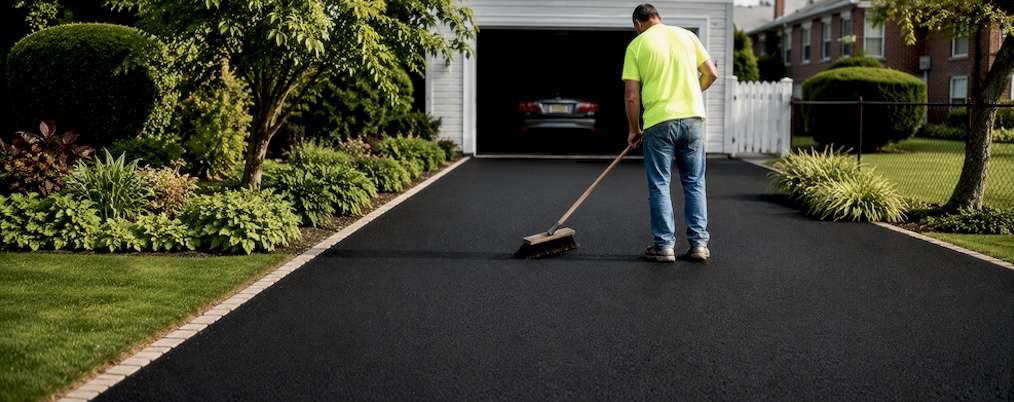
Quick Answer: How Do You Clean A Tarmac Driveway?
The best way to clean a tarmac driveway is to sweep away loose dirt, pre-wet the surface, scrub it with warm water and a mild detergent, then rinse it thoroughly with a garden hose or low-pressure washer. For specific stains like oil, moss, algae or paint, treat the affected area first before cleaning the rest of the driveway.
Avoid harsh solvents, aggressive degreasers, wire brushes and high-pressure washing, as these can damage the tarmac surface. If your driveway is cracked, loose, heavily worn or holding water, cleaning may only be a short-term fix.
A new tarmac driveway is an investment that can pay dividends. It can improve kerb appeal, create practical off-road parking and give the front of your property a cleaner, more finished look.
However, keeping a tarmac driveway looking its best can be challenging when dirt, moss, oil stains, tyre marks and everyday weathering start to affect the surface. The good news is that most tarmac driveway cleaning can be handled with simple tools, careful products and a bit of regular maintenance.
In this guide, we’ll explain how to clean a tarmac driveway safely, how to deal with common stains, whether you should use a pressure washer, and how to keep the surface looking better for longer.
The Best Way To Clean A Tarmac Driveway
For general cleaning, the safest method is to keep things simple. You do not need to use heavy chemicals for routine driveway maintenance. Warm water, mild detergent, a stiff outdoor brush and a hose are usually enough to freshen up the surface.
Before you start, check the condition of your tarmac. If the surface is cracked, loose, crumbling or heavily worn, avoid aggressive scrubbing and high-pressure washing, as this can make the damage worse.
What You’ll Need
- A stiff outdoor brush or broom
- A bucket of warm water
- Mild detergent or washing-up liquid
- A garden hose or low-pressure washer
- Gloves if using cleaning products
1. Clear Loose Dirt And Debris
Start by sweeping the full driveway. Remove leaves, grit, soil, twigs, loose moss and any debris sitting on the surface. This gives you a cleaner area to work with and helps stop dirt being pushed around when you wash the driveway.
Pay extra attention to shaded corners, drainage channels and areas near garden borders, as these tend to collect moisture and organic matter.
2. Pre-wet The Surface
Lightly wet the driveway with clean water before applying detergent. This helps loosen dirt and stops cleaning solution from drying too quickly on the surface.
3. Clean With Mild Detergent
Mix warm water with a small amount of mild detergent or washing-up liquid. Apply it across the driveway and scrub the surface with a stiff outdoor brush.
Work in manageable sections rather than trying to clean the whole driveway at once. This gives the detergent time to lift grime without drying out.
4. Scrub Stained Or Heavily Marked Areas
If you have oil, paint, moss, algae or tyre marks, treat those areas separately before rinsing. General detergent cleaning may improve light marks, but deeper stains usually need a more targeted method.
5. Rinse Thoroughly
Rinse the driveway with clean water, working from the highest point downwards so dirty water moves away from the surface. A garden hose is usually enough for routine cleaning.
If you use a pressure washer, keep it on a low setting and avoid holding the nozzle too close to the tarmac.
6. Let The Driveway Dry
Once rinsed, allow the driveway to dry fully before parking on it again. This also makes it easier to see whether any stains need a second treatment.
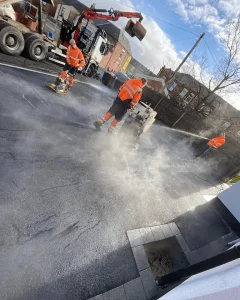
Best Tarmac Driveway Cleaning Method By Problem
| Problem | Best Cleaning Method | What To Avoid |
|---|---|---|
| General dirt and grime | Warm water, mild detergent and a stiff brush | Harsh chemical cleaners |
| Fresh oil spill | Absorb first with cat litter, sand or sawdust, then clean | Rinsing oil straight into drains |
| Older oil stain | Mild detergent, baking soda paste or tarmac-safe oil remover | Strong solvents or aggressive degreasers |
| Moss and algae | Brush, rinse and use a tarmac-safe moss treatment if needed | Heavy pressure washing on damaged tarmac |
| Paint spill | Absorb wet paint, then use warm soapy water | White spirit, petrol or strong solvents |
| Tyre marks and scuffs | Warm soapy water and firm brushing | Scraping with sharp metal tools |
Should You Power Wash A Tarmac Drive?
You can power wash a tarmac driveway, but it needs to be done carefully. Too much pressure can strip the surface, loosen aggregate or make worn areas worse.
If your tarmac is new, old, cracked, soft, loose or already damaged, avoid heavy pressure washing. A hose, detergent and brush will usually be safer.
How To Pressure Wash Tarmac Safely
- Use a low-pressure setting rather than full power.
- Use a wide fan nozzle instead of a narrow jet.
- Keep the nozzle moving at all times.
- Do not hold the nozzle too close to the surface.
- Avoid blasting cracks, edges or loose sections.
- Work from the top of the driveway downwards.
A pressure washer can be useful for removing surface dirt and moss, but it is not always the best answer for stains. Oil and grease often need pre-treatment before rinsing.
What Is The Best Thing To Clean A Tarmac Driveway With?
For routine cleaning, the best thing to clean a tarmac driveway with is warm water, mild detergent and a stiff brush. This is simple, affordable and less likely to damage the surface than strong chemical products.
For stains, the best cleaner depends on what caused the mark. Oil, paint, moss and algae all need slightly different treatment.
Can You Use Biological Washing Powder On Tarmac?
Biological washing powder can help lift some light stains and grime because the enzymes can break down certain organic marks. However, it is not a guaranteed moss preventer and it may not be strong enough for deep oil stains or heavy algae growth.
If you use it, sprinkle a small amount over the affected area, dampen it with water, scrub with a brush and rinse thoroughly. Always test a small patch first.
Can You Use Vinegar On A Tarmac Driveway?
White vinegar can help with moss and algae, but it should be used carefully. It can damage grass, plants and borders if it runs off the driveway, so avoid applying it near areas you want to protect.
For light moss or algae, mix equal parts water and white vinegar, apply it to the affected area, leave it for around 15-20 minutes, scrub and rinse thoroughly.
Is Bleach Harmful To Tarmac?
Diluted bleach can be used to treat moss and algae on some tarmac driveways, but it should not be treated as a harmless everyday cleaner. Bleach can irritate skin, damage nearby plants and affect surrounding materials if used carelessly.
If you use bleach, mix one part household bleach with four parts water, apply it carefully, leave it for around 10-15 minutes, scrub the moss or algae, then rinse thoroughly with plenty of clean water.
Wear gloves, avoid run-off into planted areas, and never mix bleach with other cleaning products.
How To Clean Oil Stains Off A Tarmac Driveway
Oil stains are one of the most common problems on tarmac driveways. The faster you act, the better your chances of reducing the stain.
Fresh Oil Spills
For fresh oil spills, do not immediately rinse the oil across the driveway. First, absorb as much oil as possible.
- Cover the spill with cat litter, sand, sawdust or another absorbent material.
- Leave it to absorb the oil.
- Sweep up the material and dispose of it responsibly.
- Wash the area with warm water and mild detergent.
- Scrub with a stiff brush and rinse thoroughly.
Older Oil Stains
For older oil stains, mix mild detergent and baking soda into a paste with a little warm water. Work the paste into the stain with a stiff brush, leave it for a short period, then rinse thoroughly.
You may need to repeat the process. For stubborn oil marks, use a specialist tarmac-safe oil remover and follow the manufacturer’s instructions.
How To Remove Paint Spills From Tarmac
Paint spills should be handled carefully. Strong solvents such as white spirit, petrol or aggressive paint thinners can affect the tarmac binder and spread the stain further.
If the paint is still wet, absorb as much as possible with paper towels, cloths or absorbent material. Do not smear it across the surface.
Water-based Paint
- Blot up as much paint as possible.
- Rinse with clean water.
- Use mild detergent and a stiff brush if needed.
- Rinse thoroughly.
Oil-based Paint
Oil-based paint can be harder to remove from tarmac. Start with warm water, detergent and firm brushing. Avoid strong solvents unless a product specifically says it is safe for tarmac or asphalt.
If the stain remains, it may need specialist cleaning or surface repair rather than repeated harsh treatment.
How To Clean Moss And Algae From Tarmac
Moss and algae usually appear where the driveway stays damp or shaded. Regular sweeping and early treatment can stop small patches turning into a bigger problem.
For light moss, scrub the area with a stiff brush and rinse with clean water. For heavier growth, use a suitable moss treatment, diluted vinegar, baking soda or a careful diluted bleach solution.
We have a full guide on how to remove moss from a tarmac driveway if you need a more detailed step-by-step method.
What Should You Avoid When Cleaning A Tarmac Driveway?
The wrong cleaning method can damage your driveway or make stains worse. Avoid the following where possible:
- High-pressure washing on cracked, old or loose tarmac.
- Wire brushes that can scrape or scar the surface.
- White spirit, petrol or harsh solvents unless a product is specifically suitable for tarmac.
- Leaving bleach or vinegar to sit too long without rinsing.
- Mixing cleaning products, especially bleach with other chemicals.
- Rinsing oil, paint or chemicals into drains where avoidable.
How Often Should You Clean A Tarmac Driveway?
Most tarmac driveways benefit from a light sweep every week or two and a deeper clean once or twice a year. If your driveway is under trees, close to planted borders or in a shaded area, you may need to clean it more often.
A good routine is:
- Weekly or fortnightly: sweep leaves, grit and debris.
- Monthly: check for moss, oil spots and drainage issues.
- Seasonally: clean shaded areas and clear drainage channels.
- Once or twice a year: give the driveway a fuller clean.
How To Keep A Tarmac Driveway Looking Cleaner For Longer
Once your driveway is clean, a few simple habits can help keep it in better condition.
- Remove leaves and debris regularly so they do not trap moisture against the surface.
- Treat oil leaks quickly before they soak into the tarmac.
- Trim overhanging branches to improve sunlight and airflow.
- Keep drains and channels clear so water can leave the driveway properly.
- Avoid sharp turns from stationary vehicles, as power steering marks can scuff the surface.
- Book professional advice if the surface starts cracking, pooling water or breaking down.
When Cleaning Is Not Enough
Cleaning can improve the appearance of a tarmac driveway, but it cannot fix structural problems. If your driveway has deep cracks, loose aggregate, potholes, standing water or areas that keep growing moss, the surface may need repair or replacement.
A professionally installed tarmac driveway should include proper preparation, suitable drainage and a durable finish designed for regular vehicle use.
FAQs About Cleaning A Tarmac Driveway
Can I clean a tarmac driveway without a pressure washer?
Yes. A stiff outdoor brush, warm water, mild detergent and a garden hose are usually enough for routine cleaning. This is often safer than pressure washing, especially on older or worn tarmac.
Can I use washing-up liquid on tarmac?
Yes, a small amount of washing-up liquid mixed with warm water can be used for general cleaning and light stains. Rinse the area thoroughly afterwards.
Will bleach damage my tarmac driveway?
Diluted bleach can be used carefully for moss and algae, but it should not be overused. It can harm nearby plants and should always be rinsed thoroughly. Never mix bleach with other chemicals.
How do I remove tyre marks from tarmac?
Use warm soapy water and a stiff brush. Avoid sharp scraping tools, as these can mark the surface. Some tyre marks fade naturally with weathering and regular cleaning.
Why does my tarmac driveway keep getting dirty?
Driveways collect dirt from vehicles, rainwater, leaves, moss, algae and surrounding garden areas. If the surface stays damp or water pools in certain places, dirt and organic growth will build up faster.
Trust North West Surfacing With Your Tarmac Drive
Keeping a clean tarmac driveway is mostly about regular maintenance, safe cleaning methods and dealing with stains before they settle in. A simple routine of sweeping, gentle washing and early moss or oil treatment can make a big difference to how your driveway looks throughout the year.
If your driveway is damaged, uneven, holding water or becoming difficult to maintain, North West Surfacing can help. We are specialists in tarmac driveway installation, driveway surfacing and repairs across the North West.
We cover a wide range of local areas, including Liverpool, Manchester, Bolton, Warrington, St Helens and other areas across the North West.
Contact our expert team today for your free, no-obligation estimate.